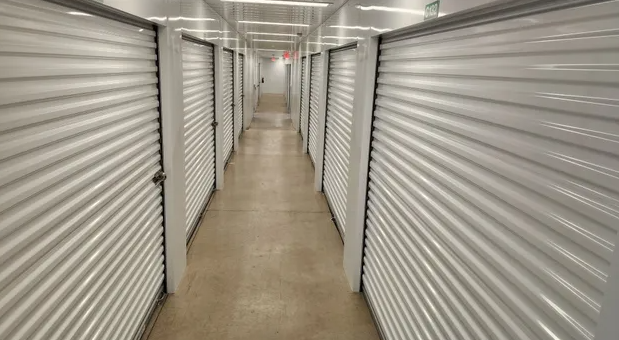
Moisture does not have to drip, leak, or pool before it damages stored belongings. Hygroscopic materials naturally absorb water vapor from the surrounding air, which can change their shape, strength, texture, and appearance over time. Climate controlled storage helps limit those swings by keeping sensitive items in a more stable environment.
Why Hygroscopic Materials React to Humidity
Hygroscopic materials attract and hold moisture from the air because of their physical or chemical structure. Changes may happen slowly, so an item can look fine at first while fibers swell, adhesives weaken, metal parts corrode, or surfaces develop odors beneath protective coverings.
Repeated humidity shifts often cause more trouble than a single damp day. Expansion during humid periods followed by contraction in drier conditions places stress on joints, coatings, pages, fabrics, and layered materials. Renters comparing storage units near me should consider how long belongings will remain stored and how sensitive they are to changing indoor conditions.
Paper Records Can Warp, Stick, and Deteriorate
Paper readily absorbs airborne moisture, making documents, books, photographs, maps, and cardboard packaging vulnerable. Pages may curl, covers can bend, ink may transfer, and coated photographs sometimes stick together after long exposure to humid air. Archival boxes offer better support than thin moving cartons, but containers alone cannot control the surrounding atmosphere. Acid-free folders, clean hands, and upright placement help protect records, while climate controlled storage adds another level of care for business files, family documents, and collections that would be difficult to replace.
Wood Furniture Moves as Moisture Levels Change
Wood constantly responds to its environment by taking in or releasing moisture. Tables, cabinets, bed frames, instruments, and carved pieces may swell across the grain, shrink during dry periods, or develop loose joints when those changes occur repeatedly. Finished surfaces do not make furniture completely moisture-proof. Veneer can lift, drawers may stick, glued sections can separate, and solid panels might crack if conditions change too quickly. Furniture should be cleaned, fully dried, covered with breathable fabric, and raised slightly from the floor before entering storage units.
Fabrics Hold Moisture and Develop Odors
Natural fibers such as cotton, wool, linen, and silk can absorb moisture without feeling visibly wet. Clothing, rugs, curtains, upholstered furniture, and bedding may develop musty smells, staining, mildew, or weakened fibers if packed while damp or kept in humid surroundings.
Sealed plastic bags can trap residual moisture around textiles, especially after washing or steam cleaning. Breathable garment bags, clean cotton sheets, and dry containers allow better air movement. Rugs should be cleaned, dried, rolled rather than folded, and supported so their weight does not flatten delicate fibers.
Leather Needs Stable Conditions to Stay Flexible
Leather contains natural fibers and oils that respond strongly to moisture changes. High humidity can encourage mildew and surface spotting, while overly dry conditions may leave the material stiff, brittle, or cracked.
Conditioning should happen only with products suited to the specific leather type. Shoes, jackets, bags, saddles, and furniture also need enough room to keep their original shape. Padded supports and breathable covers work better than airtight wrapping for long storage periods.
Musical Instruments Are Sensitive to Moisture Swings
Wooden instruments can change dimensions as humidity rises and falls. Guitars, violins, pianos, drums, and woodwind components may experience warped parts, loose glue joints, altered tuning, or cracked finishes when stored in unstable spaces.
Cases provide physical protection but do not always regulate the air inside them for extended periods. Strings may need loosening according to manufacturer guidance, reeds should be removed, and instruments must be dry before packing. Climate controlled storage can help protect both construction materials and sound quality during long absences.
Electronics Can Suffer From Condensation and Corrosion
Electronics may not seem hygroscopic in the same way as paper or wood, yet many internal materials and contaminants attract moisture. Circuit boards, contacts, wiring, speakers, and battery compartments can corrode when humid air condenses on cooler surfaces.
Sudden temperature changes create added risk because moisture may form before equipment adjusts to the new environment. Devices should be cleaned, batteries removed, cords labeled, and original packaging used where available. Silica packets can support moisture management inside boxes, though they do not replace suitable storage conditions.
Artwork Combines Several Moisture-Sensitive Materials
Paintings, prints, framed photographs, and mixed-media pieces often contain paper, canvas, wood, glue, paint, and protective coatings in one object. Each layer reacts differently, so humidity may cause rippling, flaking, staining, frame movement, or separation between materials.
Protective wrapping should avoid direct contact with painted surfaces. Corners need padding, frames should stand upright, and artwork should never rest under heavy boxes. Valuable pieces may require professional packing before they enter a storage facility.
Food Ingredients and Household Products Also Absorb Water
Dry goods such as flour, sugar, salt, powdered mixes, and certain pet foods pull moisture from the air. Clumping, texture changes, spoilage, or pest activity can follow if packaging is opened or poorly sealed.
Facility rules often prohibit food storage because it may attract insects or rodents. Cleaning products, fertilizers, and other household substances may also face restrictions based on safety concerns. Renters should confirm permitted items before placing any consumable or chemical product inside a unit.
Proper Packing Still Matters in a Controlled Environment
Stable conditions cannot correct belongings that enter storage dirty or damp. Each item should be inspected, cleaned, dried thoroughly, and packed with materials appropriate to its surface and structure.
Storage Partner provides storage units for furniture, documents, household items, equipment, and other property that may require climate controlled storage. Customers looking for storage units near me can compare unit sizes and features to find a suitable option for moisture-sensitive belongings.