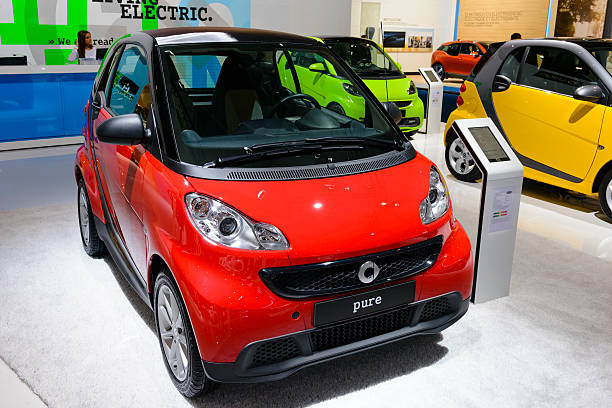
The automotive world is experiencing a profound transformation. What was once limited to mechanical engineering and fuel efficiency is now increasingly dominated by software, sensors, and connectivity. The rise of smart cars is not just a trend—it is a technological revolution reshaping how we drive, commute, and even think about transportation. These vehicles, often called “connected cars” or “intelligent cars,” combine advanced electronics, data analytics, and artificial intelligence (AI) to create safer, more efficient, and more enjoyable driving experiences.
Defining Smart Cars
At its core, a smart car is a vehicle equipped with digital technologies that enable it to interact with its environment, communicate with other devices, and assist or even automate driving tasks. Unlike traditional cars, smart cars rely on a network of sensors, cameras, radar, and software algorithms to monitor surroundings, anticipate potential hazards, and optimize performance. Features like adaptive cruise control, lane-keeping assistance, automatic emergency braking, and self-parking are no longer futuristic concepts—they are present in many modern vehicles.
Beyond safety and convenience, connectivity plays a key role in defining smart cars. Most of these vehicles can link to smartphones, cloud platforms, and traffic management systems. This allows real-time updates on navigation, vehicle diagnostics, and even software updates that enhance performance without requiring a trip to the service center.
Key Technologies Driving Smart Cars
1. Advanced Driver Assistance Systems (ADAS)
ADAS represents the foundation of smart driving. These systems use cameras, lidar, radar, and ultrasonic sensors to provide drivers with warnings, assistance, or partial automation. For example, blind-spot detection alerts drivers of vehicles in adjacent lanes, while collision warning systems anticipate potential accidents and activate automatic braking if necessary. The goal of ADAS is simple but critical: reduce human error, which accounts for the majority of road accidents worldwide.
2. Connectivity and IoT Integration
The Internet of Things (IoT) is increasingly embedded in modern cars. Smart vehicles can communicate with other vehicles (V2V), infrastructure (V2I), and cloud services. Such integration improves traffic flow, reduces congestion, and even provides predictive maintenance. For instance, a car could detect a developing mechanical issue and alert the driver or service provider before it becomes serious, reducing downtime and repair costs.
3. Artificial Intelligence and Machine Learning
AI is at the heart of autonomous and semi-autonomous vehicles. Machine learning algorithms analyze vast amounts of data collected from sensors and cameras to make real-time decisions. AI enables features like adaptive cruise control that adjusts speed according to traffic conditions, predictive lane guidance, and autonomous parking. Over time, the more data these systems process, the smarter and safer they become.
4. Electric Powertrains
Many smart cars are also electric vehicles (EVs). While electric propulsion reduces environmental impact, it also complements digital technologies by offering a more controllable and responsive driving experience. Smart software optimizes battery usage, predicts charging needs, and even adjusts driving patterns to maximize efficiency, making the combination of EVs and smart technologies particularly powerful.
Benefits of Smart Cars
Safety
Perhaps the most significant advantage of smart cars is enhanced safety. By reducing the likelihood of accidents through proactive monitoring and automated interventions, these vehicles have the potential to save countless lives. Statistics already suggest that cars equipped with ADAS features experience fewer collisions, particularly those caused by human error such as distracted driving or fatigue.
Convenience and Comfort
Smart cars make driving easier and more comfortable. Automated parking, lane assist, and adaptive cruise control reduce stress, particularly in urban traffic or long highway drives. Connectivity features allow drivers to remotely monitor their vehicles, control certain functions through smartphones, and receive real-time navigation and traffic updates.
Environmental Impact
Smart cars, especially EVs, contribute to reducing emissions. By combining intelligent driving algorithms with electric powertrains, vehicles can achieve greater efficiency and minimize energy waste. Additionally, data-driven traffic optimization can decrease congestion, further lowering overall fuel consumption and carbon footprint.
Economic Advantages
While smart cars often come with a higher initial price, the long-term benefits can outweigh the costs. Reduced accident risk can lead to lower insurance premiums, predictive maintenance avoids costly repairs, and energy-efficient technologies reduce fuel or electricity costs. Over time, smart cars can be more economical than traditional vehicles.
Challenges and Considerations
Despite their advantages, smart cars face challenges. High costs limit accessibility, and reliance on technology can sometimes lead to system failures or cybersecurity vulnerabilities. There are also regulatory and ethical questions around autonomous driving decisions in complex scenarios. Privacy is another concern, as connected vehicles collect large amounts of user and location data.
Moreover, infrastructure needs to evolve alongside smart cars. Traffic systems, charging networks, and urban planning must accommodate the new technology to unlock its full potential. Public awareness and trust are crucial for widespread adoption, as some drivers remain skeptical about handing over control to AI-driven systems.
The Road Ahead
The future of smart cars is closely tied to the evolution of AI, connectivity, and sustainable energy solutions. Full autonomy, where human intervention is minimal, is already being tested by companies worldwide. In addition, smart cars will likely become part of integrated mobility ecosystems, where vehicles communicate with cities, public transport, and even other vehicles to optimize travel efficiency.
Emerging trends like vehicle-to-everything (V2X) communication, predictive analytics, and AI-driven traffic management will redefine urban mobility. Cars may also become mobile workspaces or entertainment hubs, blurring the lines between transportation and lifestyle technology. With ongoing innovation, smart cars are poised to not only transform the way we drive but also to reshape entire cities and commuting patterns.
Conclusion
Smart cars represent a convergence of automotive engineering and digital technology. They are safer, more efficient, and more connected than ever before, offering a glimpse into a future where vehicles are intelligent partners on the road rather than mere machines. While challenges remain—cost, security, regulation—the trajectory of innovation is clear: the car of the future is not just powered by fuel or electricity but by data, AI, and connectivity. As technology continues to evolve, smart cars will redefine the driving experience, making roads safer, cities smarter, and our daily journeys more seamless.