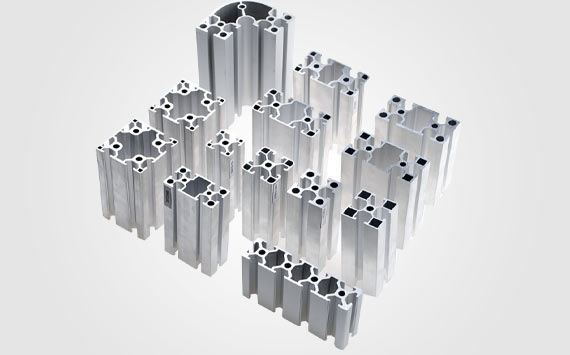
Modern production floors rely on clear boundaries to keep people and equipment operating safely side by side. Structured barrier systems help define movement, prevent accidents, and guide workflow across busy environments. Many facilities use MiniTec Aluminum Framing to build these protective systems because it offers strength, flexibility, and quick assembly.
Guard Rails Built to Separate Walkways from Machine Zones
Defined walkways help reduce the chance of workers entering hazardous areas by mistake. Guard rails built with MiniTec extruded aluminum framing create visible boundaries that guide foot traffic away from active machinery. These rail systems are often placed along production lines where workers pass close to equipment. Sturdy construction comes from extruded aluminum T slot profiles that connect securely without welding. Rails can be adjusted in height and length depending on the layout of the facility. This adaptability allows teams to create safe walking paths while still maintaining access for maintenance and operations.
Protective Enclosures Around Moving Parts and Equipment
Moving components such as conveyors, belts, and robotic arms present constant safety concerns. Protective enclosures built with T slot aluminum extrusion form a barrier that keeps workers at a safe distance while machines continue operating. These enclosures often surround equipment that runs continuously during production cycles. Panels made from aluminum framing material can include mesh or solid inserts depending on visibility needs. Clear design options allow operators to monitor equipment without opening the enclosure. This approach helps reduce the risk of accidental contact with moving parts.
Work Cell Barriers That Limit Access to Active Areas
Work cells often contain automated processes that require limited human interaction. Barriers built with a modular aluminum framing kit define these areas and prevent unauthorized entry. Access points can be controlled through designated openings or gates. Structured frames using MiniTec Aluminum Framing provide consistent spacing and alignment across the work cell. These barriers help ensure that only trained personnel enter active zones. Limiting access reduces the chance of injuries caused by unexpected machine movement.
Clear Panel Walls for Visibility While Keeping Workers Safe
Visibility plays an important role in maintaining awareness across the production floor. Clear panel walls constructed with T slot extrusion allow workers to see operations while remaining protected. Transparent materials such as polycarbonate panels are commonly used within the frame structure. Open visibility supports communication between operators and nearby staff. Workers can monitor equipment performance without stepping into restricted areas. Combining clarity with protection creates a safer environment without limiting observation.
Modular Gates That Control Entry to Restricted Spaces
Controlled entry points help manage how workers move through different sections of a facility. Modular gates built from MiniTec extruded aluminum framing allow access only when conditions are safe. These gates often include locking mechanisms or interlocks connected to equipment controls.
Flexible gate systems can be installed in various sizes to match the surrounding barrier design. T slot aluminum extrusion allows gates to open smoothly while maintaining structural strength. Controlled entry reduces the likelihood of unauthorized access to high risk areas.
Perimeter Fencing to Define Safe Zones on the Shop Floor
Large production areas benefit from clear perimeter boundaries that separate operational zones. Fencing systems built with aluminum framing material define these spaces while maintaining an organized layout. These barriers often surround entire sections of machinery or automated systems.
Durable structures created with an aluminum framing kit provide long term stability without excessive weight. Panels can be configured to allow airflow or visibility depending on the application. Defined perimeters help workers recognize safe zones and restricted areas at a glance.
Impact Barriers Placed near Forklifts and Loading Paths
Vehicle movement introduces another level of risk within industrial environments. Forklifts and transport equipment travel through designated paths that often intersect with pedestrian areas. Impact barriers built from MiniTec Aluminum Framing help absorb minor contact and prevent accidents.
Reinforced frames using extruded aluminum T slot components provide durability while remaining easy to install. Placement near loading docks and transport lanes helps protect both workers and equipment. These barriers act as a buffer between moving vehicles and surrounding structures.
Safety Partitions to Reduce Risk Between Workstations
Workstations positioned close together can expose employees to hazards from nearby tasks. Safety partitions built with T slot extrusion create separation between stations without isolating workers completely. These partitions often include panels that block debris or limit exposure to equipment movement.
Structured layouts using MiniTec extruded aluminum framing allow partitions to fit precisely within available space. Adjustable designs make it possible to reconfigure work areas as production needs change. Separation between stations helps maintain focus and reduce the chance of cross area incidents.
Quick Install Frames That Adapt As Layouts Change
Production environments often evolve as new equipment or processes are introduced. Quick installation systems built from aluminum framing material allow teams to modify barrier layouts without extensive downtime. Components connect using standardized hardware, making adjustments straightforward.
Flexible design makes it easy to expand, relocate, or redesign safety barriers as needed. An aluminum framing kit provides all necessary components to build and reconfigure structures efficiently. Adaptable systems help facilities maintain safety standards while keeping up with operational changes. Well designed barrier systems support safer movement and clearer organization across industrial spaces