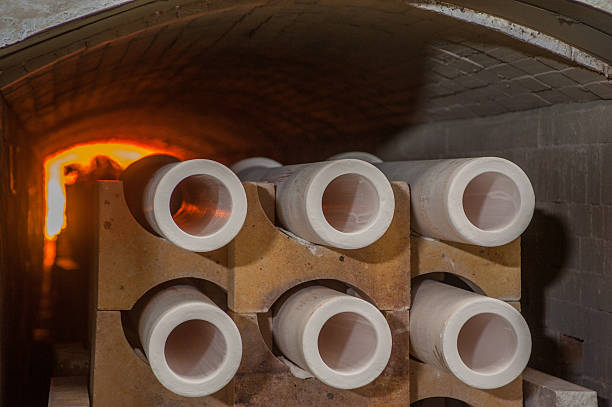
If you’ve ever stared at a massive industrial furnace and wondered how all that heat doesn’t just leak everywhere, the answer is something you probably haven’t paid much attention to: the rotary kiln sealing ring. Seriously, this little component is like the unsung hero of high-temp processing. I remember first seeing one during a plant tour, and honestly, I thought it was just a weird metal circle lying there. Little did I know, this tiny piece keeps the whole operation running smooth. And if you’re curious about getting a really reliable one, you can check out this rotary kiln sealing ring to see what I mean.
How It Works and Why It Matters
So here’s the deal: a rotary kiln sealing ring basically stops all that crazy hot air and dust from escaping while your kiln spins. Think of it like a giant oven, but instead of baking cookies, you’re cooking cement, lime, or chemicals at ridiculous temperatures. Without a good seal, you get leaks, wasted energy, and eventually, a lot of angry maintenance engineers. I once overheard a technician joking on LinkedIn that the kiln was “basically just a really expensive hot tub with a leak,” and honestly, that’s not far from the truth if the sealing ring isn’t up to snuff.
Most people assume that all sealing rings are the same, but the reality is way more complicated. You need something that can handle thermal expansion, abrasion, and sometimes, a little misalignment of the kiln itself. And no, just slapping a generic ring in there won’t do. It’s a bit like trying to fix your car with duct tape – sure, it might hold for a bit, but don’t expect it to survive a road trip.
Signs You’re Using a Bad Sealing Ring
You might think your kiln is fine until suddenly your energy bills spike or dust starts escaping in ways that get the entire factory coughing. That’s usually a sign the sealing ring is either worn out or not installed properly. I’ve seen people try to ignore this, thinking “eh, it’ll hold,” and a week later, the whole line shuts down because a simple ring failed. Social media groups for plant engineers are full of horror stories like this – one guy even posted a video of a kiln with smoke puffing out like a chimney and called it “industrial confetti.” Funny, but also… expensive.
Another hint is weird noises. A proper sealing ring should let the kiln rotate smoothly without grinding or scraping. If you hear a sound that makes you cringe, it’s probably your seal getting frayed. Maintenance forums suggest checking the contact points regularly, but honestly, most people just notice the difference when it’s too late.
Choosing the Right Material
Not all sealing rings are created equal. You’ve got metals, graphite, ceramic composites – and each one behaves differently under heat. Metal rings are tough and durable but can expand in ways that mess with alignment. Graphite seals handle extreme temps but can be brittle if handled wrong. Ceramic-based rings are great for really abrasive environments but are usually pricier. It’s kind of like choosing sneakers: some are built for speed, some for durability, and picking the wrong pair means blisters – or in this case, leaks and downtime.
Temperature really matters too. If your kiln runs at, say, 1400°C, you need a ring that won’t just melt or warp. I remember a plant engineer telling me he once had a kiln that “ate” its seals like candy because the wrong type was installed. That story went viral in a few niche LinkedIn groups – people love sharing these tiny disasters because they’re so relatable.
Installation Tips That Actually Help
Installing a rotary kiln sealing ring isn’t rocket science, but it’s definitely more complicated than just sliding it into place. Alignment is everything. If it’s off by even a few millimeters, you’ll get uneven wear and energy leaks. And yes, everyone thinks “oh, I can eyeball it,” but precision tools exist for a reason. My personal experience? Watching a team struggle with misaligned seals is like watching people try to parallel park a bus – messy, frustrating, and sometimes hilarious.
Lubrication is another secret. Some rings need a bit of grease, some need dry lubrication depending on the material. Overdoing it is just as bad as underdoing it, so reading the specs is worth it. It’s one of those things that seems minor but can save thousands in maintenance down the line.
Long-Term Benefits You Don’t Notice at First
Here’s the thing: a good sealing ring isn’t flashy. You won’t see it trending on TikTok or getting likes on Instagram. But the difference it makes in energy efficiency, dust control, and reducing wear on your kiln is huge. Over time, the savings in electricity alone can justify investing in high-quality seals. Not to mention fewer shutdowns, happier maintenance crews, and less stress for managers.
And let’s not forget environmental compliance. Escaping dust or gases can lead to fines or worse. A properly installed, high-quality rotary kiln sealing ring helps keep emissions in check. I’ve read some reports suggesting that plants with optimized sealing rings can cut down dust leakage by over 30%, which is nothing to sneeze at. Literally.
A Final Thought
I know it might sound like I’m hyping up a small piece of metal, but honestly, in industrial terms, the rotary kiln sealing ring is a silent MVP. Investing in the right one and making sure it’s installed correctly is one of those things that pays off quietly but massively. If you’re running any kind of kiln operation, take a minute to check your seals – it’s the difference between smooth operations and a smoky mess that nobody wants to deal with. And if you’re thinking about upgrading or just curious, here’s that link again to a reliable rotary kiln sealing ring I mentioned earlier.