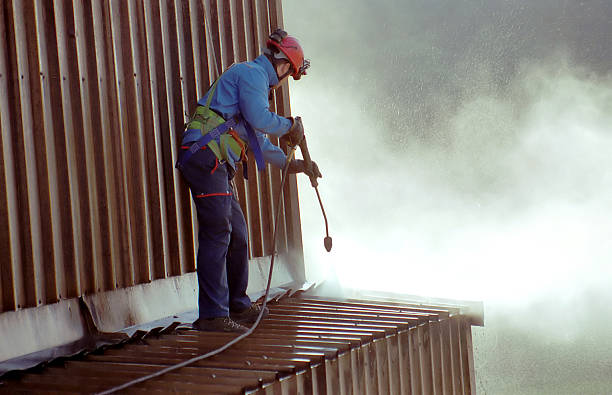
I used to think cleaning in factories was basically just bigger mops and louder machines. Turns out, that idea is completely wrong. The moment you step inside a working manufacturing facility, you realize why companies specifically look for Industrial Cleaning Services in Boulder Co instead of regular cleaners. It’s not about appearance at all. It’s survival for the equipment, honestly. Dust, grease, metal particles — they don’t just sit quietly. They slowly mess with everything, like tiny financial leaks you don’t notice until the bill suddenly looks scary.
Factories get dirty in ways that feel almost unfair. You clean one area and another somehow becomes worse without anyone touching it. A manager once told me cleaning a production floor feels like brushing your teeth while eating cookies at the same time. That stuck with me because it actually explains industrial environments perfectly.
When dirt quietly becomes expensive
Most business owners don’t connect cleaning with money right away. Cleaning feels like an expense, not an investment. But manufacturing runs on precision, and dirt loves ruining precision. Fine dust can clog ventilation, oil buildup makes surfaces unsafe, and debris slowly wears down machines. None of these problems show up dramatically at first. They creep in slowly, like subscription payments you forgot to cancel.
I read a niche operations stat somewhere saying unexpected equipment downtime costs way more annually than routine maintenance for many facilities. Not shocking when you think about it. One stopped production line can burn through thousands faster than anyone expects. Suddenly cleaning doesn’t look optional anymore.
And honestly, workers notice these things too. Scroll through Reddit threads or factory TikTok comments and you’ll see employees constantly talking about workplace conditions. Clean environments equal good management in people’s minds. Messy floors? People assume corners are being cut everywhere else too.
Manufacturing mess isn’t normal dirt
Office cleaning and industrial cleaning shouldn’t even share the same name. Offices deal with crumbs and fingerprints. Manufacturing deals with residue that sometimes needs specialized tools just to remove safely. I once saw a warehouse floor that looked clean until sunlight hit it at an angle — then you could see layers of buildup like rings on a tree trunk. Months of accumulation hiding in plain sight.
Different facilities create completely different cleaning challenges. Some produce fine powder that floats everywhere, others generate sticky oils that cling to surfaces forever. And Boulder’s manufacturing scene is pretty mixed, which makes generalized cleaning approaches kind of useless. What works for one facility might actually damage another.
That’s why trained industrial crews matter. They understand what not to touch as much as what to clean. Sounds simple, but wrong cleaning methods can shut down equipment faster than dirt itself.
Safety isn’t just helmets and warning signs
People usually talk about safety gear when discussing manufacturing safety. Gloves, goggles, all that. But cleanliness plays a bigger role than many managers admit. Slippery surfaces, blocked pathways, dusty air systems — these things cause small incidents that slowly add up.
And small incidents are sneaky expensive. Insurance claims, lost time, investigations… none of that shows up when someone first debates whether cleaning budgets should be reduced. It’s like skipping routine health checkups because you feel fine today. Works until it suddenly doesn’t.
I’ve noticed companies that maintain cleaner environments tend to run calmer operations overall. Less chaos, fewer last-minute fixes. Maybe it’s psychological, maybe practical, probably both.
Consistency beats big dramatic cleanups
Some facilities wait until things look bad before scheduling deep cleaning. I get the logic — why pay before it’s necessary? But industrial dirt doesn’t behave like household mess. By the time it looks serious, buildup has already affected systems you can’t see.
It reminds me of personal finances honestly. People ignore small expenses until the bank balance feels weirdly low, then panic. Regular cleaning works like budgeting. Smaller, predictable effort prevents stressful corrections later.
Another thing people underestimate is how cleaning affects equipment lifespan. Machines operating in cleaner environments simply last longer. Less friction, less overheating, fewer breakdowns. It’s boring behind-the-scenes stuff, but boring is usually profitable.
The human side nobody really talks about
Workers spend long hours inside these facilities. When spaces feel maintained, people take more pride in their work areas. That sounds like motivational poster talk, but it’s actually noticeable. Cleaner spaces encourage better habits. Messy spaces somehow invite more mess — weird psychology but very real.
There’s also airflow. Cleaner facilities often have better air quality, which reduces fatigue. Employees may not say, wow this ventilation is excellent, but they feel the difference by the end of a shift.
And honestly, companies that ignore cleaning sometimes don’t realize how much stress it adds to supervisors. Constant minor problems, complaints, quick fixes — all preventable with consistent maintenance.
Eventually, many facility managers circle back and start searching again for Industrial Cleaning Services in Boulder Co after realizing reactive repairs cost way more than proactive care. It’s one of those lessons businesses learn the same way people learn budgeting after overspending during a sale — slightly painful but unforgettable.
Industrial cleaning might never sound exciting, and nobody brags about freshly cleaned warehouse floors at dinner conversations. But behind every smoothly running manufacturing facility, there’s usually a cleaning routine quietly doing its job, preventing problems nobody ever has to see. And honestly, that invisible reliability is probably the real reason smart facilities treat cleaning less like a chore and more like operational strategy.