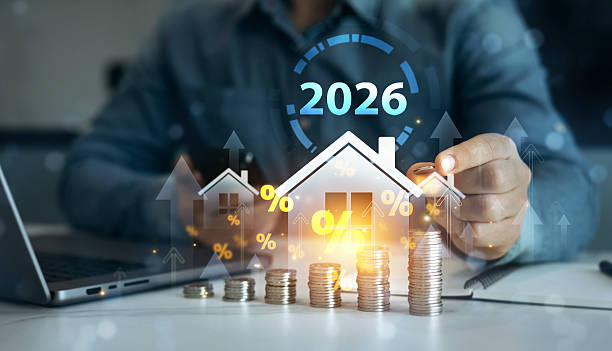
The housing market in 2026 is experiencing a unique blend of influences, driven by economic shifts, technological advancements, demographic changes, and evolving consumer preferences. Homebuyers, investors, and industry experts alike are navigating a landscape that is both dynamic and complex. Understanding these trends is essential for anyone looking to make informed decisions in the real estate sector this year.
Rising Interest Rates and Mortgage Dynamics
One of the most significant factors shaping the housing market in 2026 is the trajectory of interest rates. After years of historically low rates, many economies are experiencing moderate increases as central banks aim to manage inflation. Higher interest rates directly affect mortgage affordability, leading many potential buyers to adjust their budgets or postpone home purchases.
The impact of these rates is evident in the shift toward smaller, more affordable homes. Buyers are looking for properties that allow them to secure financing without stretching their monthly budgets. For investors, this trend creates opportunities in rental markets, as some potential homeowners opt to rent longer due to higher borrowing costs.
Remote Work and the Suburban Shift
The lingering effects of remote and hybrid work are still influencing where people choose to live. In 2026, suburban and semi-rural areas continue to attract homeowners seeking larger spaces, quieter environments, and more affordable property prices compared to urban centers.
This shift is not only changing demand patterns but also influencing new construction. Developers are prioritizing projects that cater to families and remote workers, offering features like home offices, larger yards, and proximity to green spaces. Meanwhile, urban cores are seeing a rise in luxury apartments with advanced amenities, appealing to professionals who still value city living.
Sustainable and Green Homes
Environmental consciousness is increasingly shaping housing preferences. In 2026, energy-efficient and eco-friendly homes are in higher demand, as buyers consider long-term savings on utilities and the environmental impact of their purchases. Solar panels, smart thermostats, and sustainable building materials are no longer niche features—they are becoming standard expectations in many markets.
Governments and local authorities are also incentivizing sustainable construction through tax credits and rebates. This encourages developers to adopt green building practices and makes eco-conscious homes more accessible to a broader segment of buyers.
Technological Integration and Smart Homes
Technology continues to redefine the concept of modern living. Smart home devices, integrated security systems, and AI-driven home management solutions are becoming commonplace in 2026. Buyers are increasingly prioritizing properties equipped with automation systems that improve comfort, security, and energy efficiency.
Moreover, virtual reality (VR) and augmented reality (AR) are transforming how homes are marketed and sold. Virtual tours allow potential buyers to explore properties remotely, reducing friction in the buying process and expanding market reach for sellers and agents alike.
Demographic Shifts and Housing Demand
Demographic changes are also influencing market trends. Millennials, now entering their prime home-buying years, are driving demand for starter homes and urban condos with convenient amenities. On the other hand, aging populations are creating a need for retirement-friendly housing, including accessible single-story homes, assisted living options, and communities with robust healthcare access.
Investors and developers are taking note, diversifying their portfolios to cater to both younger buyers looking for affordability and older buyers seeking comfort and accessibility.
. Affordability Challenges and Government Intervention
\ remains a pressing issue in 2026. Home prices in many regions have risen faster than wages, putting homeownership out of reach for many first-time buyers. This has led governments to implement various interventions, including down payment assistance programs, housing subsidies, and policies aimed at increasing the supply of affordable housing.
These measures are slowly shaping the market, creating pockets of opportunity for buyers who may have previously been priced out. At the same time, affordability challenges continue to fuel demand for rental properties, making the rental market a crucial component of the housing ecosystem.
Investment Trends and Real Estate Market Shifts
The real estate investment landscape is also evolving. Institutional investors are increasingly interested in residential properties, particularly rental units in high-demand areas. Short-term rental platforms remain popular in tourist-friendly regions, although stricter regulations are emerging in some cities.
Additionally, technological tools for real estate analytics are empowering investors to make data-driven decisions, identifying undervalued properties or emerging neighborhoods with strong growth potential.
Urban Redevelopment and Mixed-Use Communities
Urban redevelopment projects are transforming older neighborhoods into mixed-use communities that combine residential, commercial, and recreational spaces. These developments appeal to buyers who want convenience and vibrant community life. In 2026, such projects are contributing to the revitalization of city centers, creating demand for properties that offer both lifestyle and investment potential.
Developers are focusing on sustainable, walkable communities that blend green spaces with retail, entertainment, and residential areas. This trend not only enhances property values but also aligns with the broader push toward sustainable urban living.
Conclusion
The housing market in 2026 is defined by a combination of economic pressures, technological advancements, demographic shifts, and changing consumer preferences. Rising interest rates, remote work, sustainability, smart homes, and affordability concerns are all shaping buyer behavior and market dynamics.
For potential homeowners, investors, and developers, understanding these trends is essential for navigating the complexities of today’s housing market. By staying informed and adaptable, stakeholders can make strategic decisions that balance financial considerations with lifestyle aspirations. The future of housing is not just about structures—it is about creating communities that respond to the evolving needs of society.