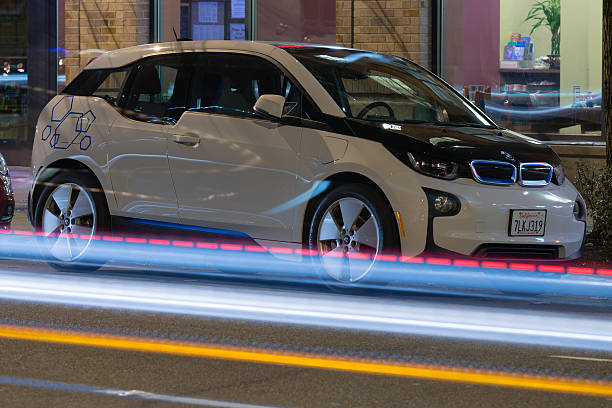
The automotive industry is undergoing a transformation unlike any in the past century. Electric vehicles (EVs) are no longer just a futuristic concept; they are becoming a tangible reality reshaping how people experience driving. From quiet acceleration to smarter technology integration, electric cars are influencing driver behavior, urban planning, and even our environmental consciousness.
A Quiet Revolution on the Roads
One of the most immediately noticeable changes that EVs bring is their quiet operation. Unlike traditional internal combustion engine (ICE) vehicles, electric cars produce minimal noise, especially at low speeds. This changes the sensory experience of driving—city streets are quieter, which can reduce stress for drivers and pedestrians alike. However, the near-silent operation also introduces new safety considerations. Automakers and governments are now investing in pedestrian alert systems to ensure people can safely navigate streets where cars are almost inaudible.
Redefining Performance and Driving Habits
Electric cars are changing the way we think about vehicle performance. With instant torque delivery, EVs often accelerate faster than conventional vehicles, providing a smoother and more responsive driving experience. Drivers accustomed to gradual acceleration may need to adjust to the immediacy of electric power. This has sparked a shift in driving culture—many drivers find themselves adopting a more relaxed, efficient style rather than aggressive acceleration patterns typical with gas-powered vehicles.
Furthermore, regenerative braking technology is becoming standard in EVs. This system recaptures energy during deceleration, reducing wear on brakes and extending driving range. As a result, many drivers are learning to “lift off the accelerator” instead of heavily relying on traditional braking, which fundamentally changes how they interact with their vehicle and road conditions.
Planning Trips Differently
Range anxiety—the fear of running out of battery—has been a concern for EV owners, especially in the early days. While modern EVs now offer ranges comparable to gas-powered cars, this concern has shifted the way drivers plan trips. Instead of stopping randomly at gas stations, EV drivers are more deliberate about route planning, checking charging station availability and estimated charging times. This awareness has encouraged drivers to plan journeys more efficiently, reducing unnecessary driving and promoting sustainable habits.
Moreover, the availability of home charging is transforming daily routines. Many drivers charge their vehicles overnight, similar to charging a smartphone, which reduces dependence on public infrastructure and changes how we perceive car ownership. Owning an electric vehicle often encourages more thoughtful, daily energy management rather than reactive refueling trips.
Technology Integration and Smarter Cars
Electric cars are often paired with advanced technology that changes the driving experience. Many EVs come equipped with sophisticated infotainment systems, real-time range monitoring, over-the-air updates, and integration with smart home systems. These features create a seamless digital experience for drivers, turning cars into mobile command centers.
Autonomous driving features, including lane-keeping assist, adaptive cruise control, and automated parking, are becoming more common in EVs. While these technologies are not exclusive to electric vehicles, EV manufacturers are integrating them more deeply due to the software-first approach to car design. Drivers are learning to rely on assistance systems, which can reduce fatigue on long trips and increase safety.
Environmental Awareness Behind the Wheel
One of the most profound ways EVs are changing driving is by influencing environmental consciousness. Knowing that each electric mile produces fewer emissions than a conventional vehicle fosters a sense of responsibility in drivers. People often become more conscious of their energy consumption habits, from acceleration patterns to trip frequency. This shift extends beyond individual behavior—many communities are adapting infrastructure, installing more charging stations, and incentivizing sustainable transportation.
Economic Implications and Driving Decisions
The economics of driving are also evolving with electric cars. While the upfront cost of an EV can be higher than a comparable gas-powered vehicle, lower maintenance and energy costs often make them cheaper over the long term. Drivers may find themselves visiting service centers less frequently due to fewer moving parts in an EV, and electricity is generally less expensive than gasoline per mile traveled. This changes not only individual budgeting but also long-term vehicle planning and ownership models.
The shift toward electric vehicles has also influenced the automotive market and urban development. As more people adopt EVs, demand for gasoline declines, leading to potential reductions in fossil fuel infrastructure. City planners are incorporating EV-friendly policies such as dedicated lanes, curbside charging stations, and incentives for electric public transportation. This integration encourages drivers to adopt sustainable habits and influences daily commuting patterns.
Challenges and Adaptation
Despite their advantages, electric cars come with challenges that affect driving behavior. Charging infrastructure is still unevenly distributed in many regions, which requires drivers to plan ahead. Battery performance can also be influenced by weather conditions, with cold temperatures reducing range. Drivers need to adapt by monitoring battery health, using pre-conditioning features, and understanding optimal charging practices.
Additionally, the psychological transition from conventional vehicles to electric ones should not be underestimated. Drivers accustomed to the sound, feel, and mechanics of gasoline cars may need time to adjust to the new driving experience. Yet, over time, these adaptations often lead to safer, more efficient, and more environmentally conscious driving habits.
A Glimpse into the Future
Electric vehicles are not just transforming individual driving—they are reshaping transportation as a whole. From autonomous driving integration to smart grid connectivity, the EV revolution is paving the way for cities with cleaner air, quieter streets, and more efficient traffic systems. As battery technology improves and charging infrastructure expands, the limitations that once hindered EV adoption are fading, making electric cars a viable choice for more drivers worldwide.
In conclusion, electric cars are more than a technological innovation—they are a cultural and behavioral shift. They change how we accelerate, brake, plan trips, and interact with technology while fostering greater environmental awareness. As more people embrace EVs, the future of driving promises to be quieter, smarter, and greener, redefining our relationship with cars and the roads we travel.